Columbus, Ohio's Home for
Water Softeners, Water Filters,
& Water Delivery


Local resources
Columbus Hard Water
How Hard Is Columbus Water?
Columbus tap water is moderately hard to hard. The most recent Columbus water quality report puts the system average at about 115 ppm, or roughly 6.7 grains per gallon, with plant averages ranging from 98 ppm (5.7 gpg) to 125 ppm (7.3 gpg) depending on which treatment plant serves your area. Columbus draws its water from the Scioto River, Big Walnut Creek, and groundwater wells in the Scioto River Valley.
Where Can I Get A Water Quality Report?
You can access Columbus's annual Water Quality Report. This is also known as a consumer confidence report, and provides detailed data on the composition of your municipal water annually.
Proudly serving the following counties: Logan, Union, Madison, Marion, Morrow, Franklin, Delaware, Muskingum, Coshocton, Morgan, Fairfield, Licking, Perry, Pickaway, Hocking, Athens, Vinton, and Meigs
FAQ
Additional Information On Columbus, OH Tap Water
Is Columbus tap water safe to drink?
Yes. Columbus drinking water meets federal and state drinking water standards.
Is Columbus tap water hard?
Yes. The most recent Columbus water quality report shows a system average hardness of about 115 ppm (roughly 6.7 grains per gallon), with plant averages ranging from 98 to 125 ppm (5.7 to 7.3 gpg) depending on which treatment plant serves your area. This falls within the moderately hard to hard water range and may contribute to scale buildup on fixtures, spotting on dishes, and reduced soap performance.
Is there PFAS in Columbus tap water?
Columbus took part in the EPA's fifth round of unregulated contaminant monitoring (UCMR 5), which tested for PFAS; the most recent water quality report doesn't print those results but says they're available from the city's Water Quality Assurance Lab. Federal PFAS limits have been set, and Columbus says it will meet them and install treatment if future sampling shows it's needed. Residents can contact Columbus Water & Power for additional PFAS monitoring information.
Does Columbus tap water have fluoride?
Yes. Columbus adds fluoride as part of its treatment process to help protect dental health. The most recent water quality report shows fluoride levels of 0.96 to 0.98 ppm across the city's three treatment plants, well below the EPA maximum contaminant level of 4.0 ppm.
Where does Columbus get its tap water?
Columbus draws drinking water from multiple sources. Surface water comes from the Scioto River and Big Walnut Creek, while groundwater is pumped from sand and gravel aquifers in the Scioto River Valley. Water is treated at the Dublin Road, Hap Cremean, and Parsons Avenue water plants before distribution throughout the city.
How is Columbus water treated?
Columbus uses a multi-barrier treatment process that includes coagulation, sedimentation, softening, pH adjustment, ozone treatment, granular activated carbon filtration, ultraviolet (UV) disinfection, chlorination, fluoride addition, corrosion control treatment, and continuous water quality testing before water reaches customers.
Do I need a water softener or filter in Columbus?
Because Columbus water is moderately hard to hard in many areas, some homeowners choose a water softener to reduce scale buildup and improve soap efficiency. Others install reverse osmosis systems or whole-house filtration systems to address concerns about chlorine taste, emerging contaminants such as PFAS, sediment, or overall water quality preferences. Water treatment needs can vary depending on the source water serving your neighborhood and your home's plumbing.
How does Columbus monitor water quality?
Columbus Water & Power performs extensive testing throughout the treatment process and distribution system. Its Water Quality Assurance Laboratory completed more than 70,000 analyses in the most recent reporting year and monitors contaminants including bacteria, lead, copper, nitrates, disinfection byproducts, pesticides, herbicides, turbidity, PFAS-related compounds, and other regulated and unregulated substances to ensure compliance with federal and state drinking water standards.
Where can I get a local tap water quality report?
You can access the most recent Columbus Tap Water Quality Report here.
Shop Water Treatment Products
Columbus, OH Water Softeners & Water Filters
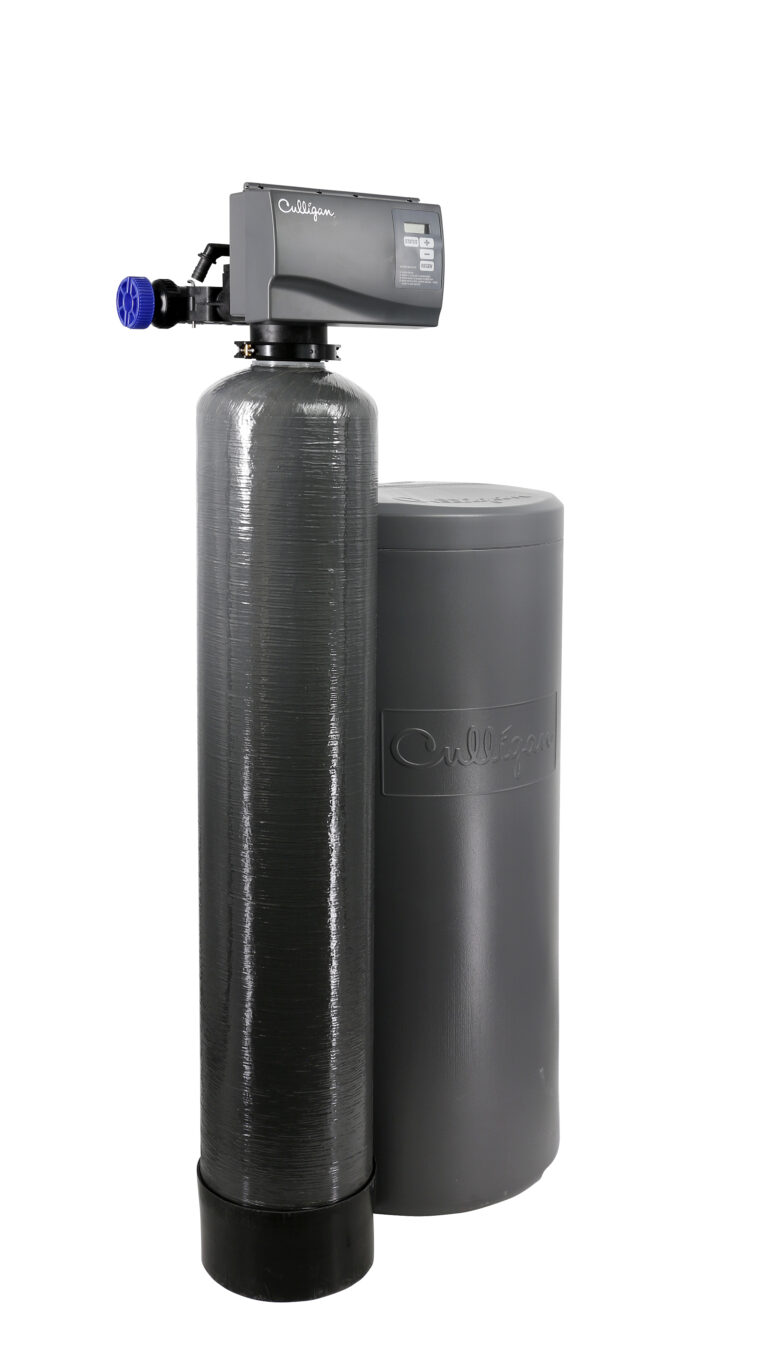
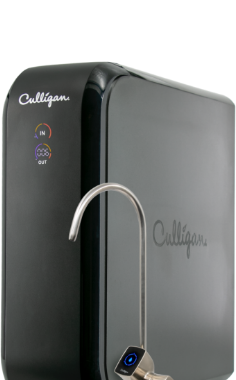
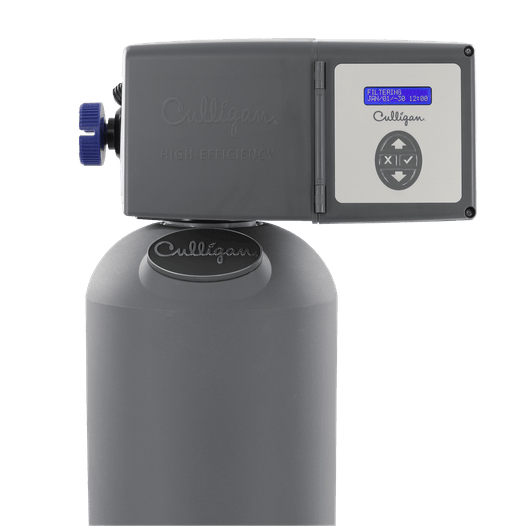
Deals
Don’t Miss Out On Special Offers For Columbus, Ohio Residential Water Treatment Products
Trade in your old water softener and receive up to $500 toward a new system.
Are There Contaminants In Columbus, Ohio Tap Water?
Get a FREE Water Test!
- No mailing — fast results!
- Test any tap in your home
- NEW flexible sample pickup options

Testimonials
Why Do Columbus, Ohio
Homeowners LOVE Us?
Everyone at Culligan was great. The team was helpful, knowledgable, and followed up after the service was over.

Before using Culligan, everyone in our house always complained about our water issues. Culligan helped us eliminate our pain points and now we can confidently say we enjoy our water!
I had a great experience with Culligan. From beginning to end, they were there to answer all my questions and give me the water results I was hoping for.


Facebook